
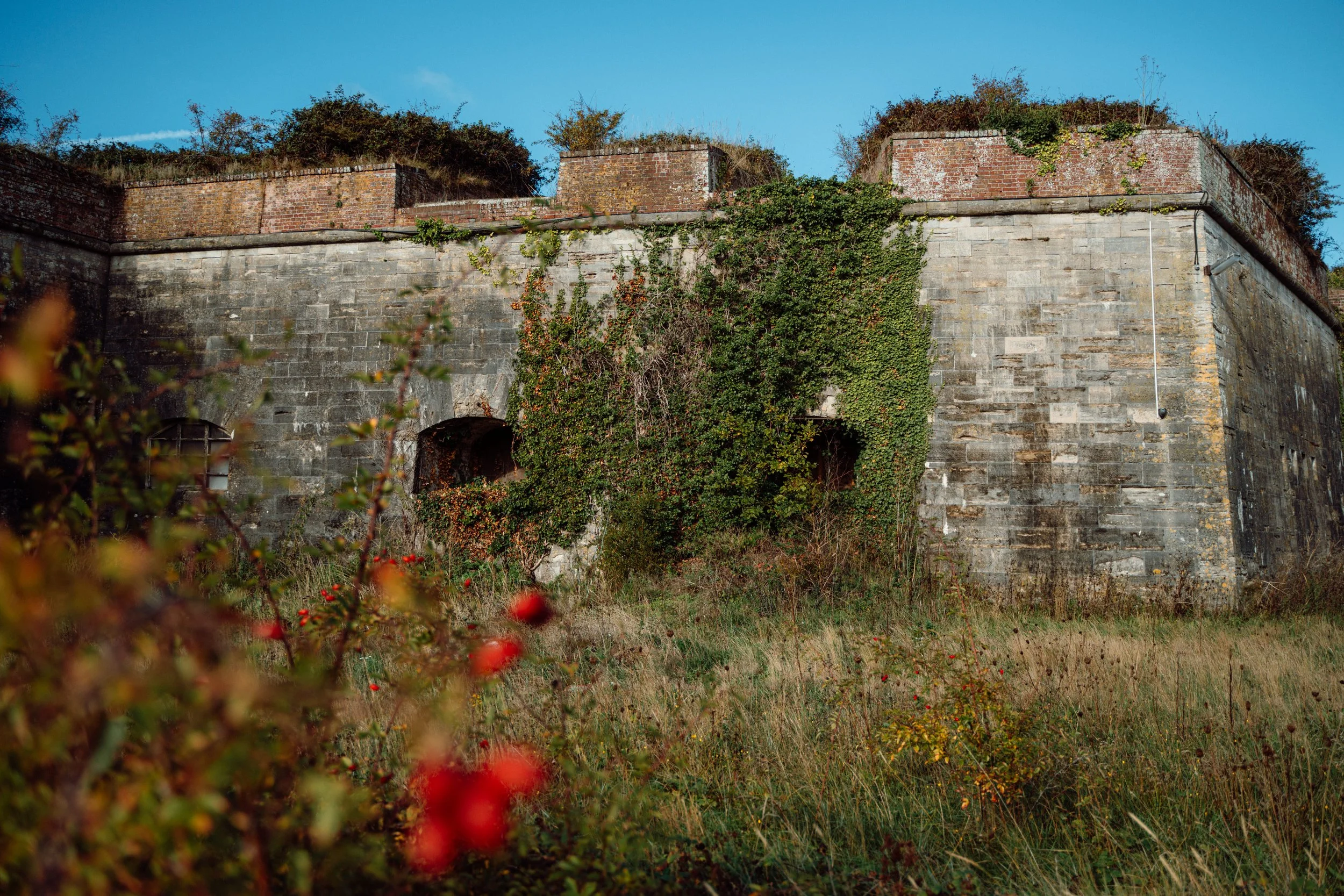
Securing the future of one of Britain's most significant coastal fortifications
Fort Cumberland is a rare and remarkably complete example of an eighteenth-century bastioned fort, occupying a strategic position at the entrance to Langstone Harbour. Designated as a Scheduled Monument and containing numerous listed structures, the site has evolved over more than 250 years of military occupation, resulting in an extraordinary collection of defensive architecture ranging from Georgian fortifications and magazines to twentieth-century military buildings. Today, Fort Cumberland remains an important historic estate and operational workplace, presenting both significant conservation challenges and exciting opportunities for long-term sustainable reuse.
Historic England
Client and grant funded
Scheduled Monument and multiple Listed Buildings
Client
Funding
Designation
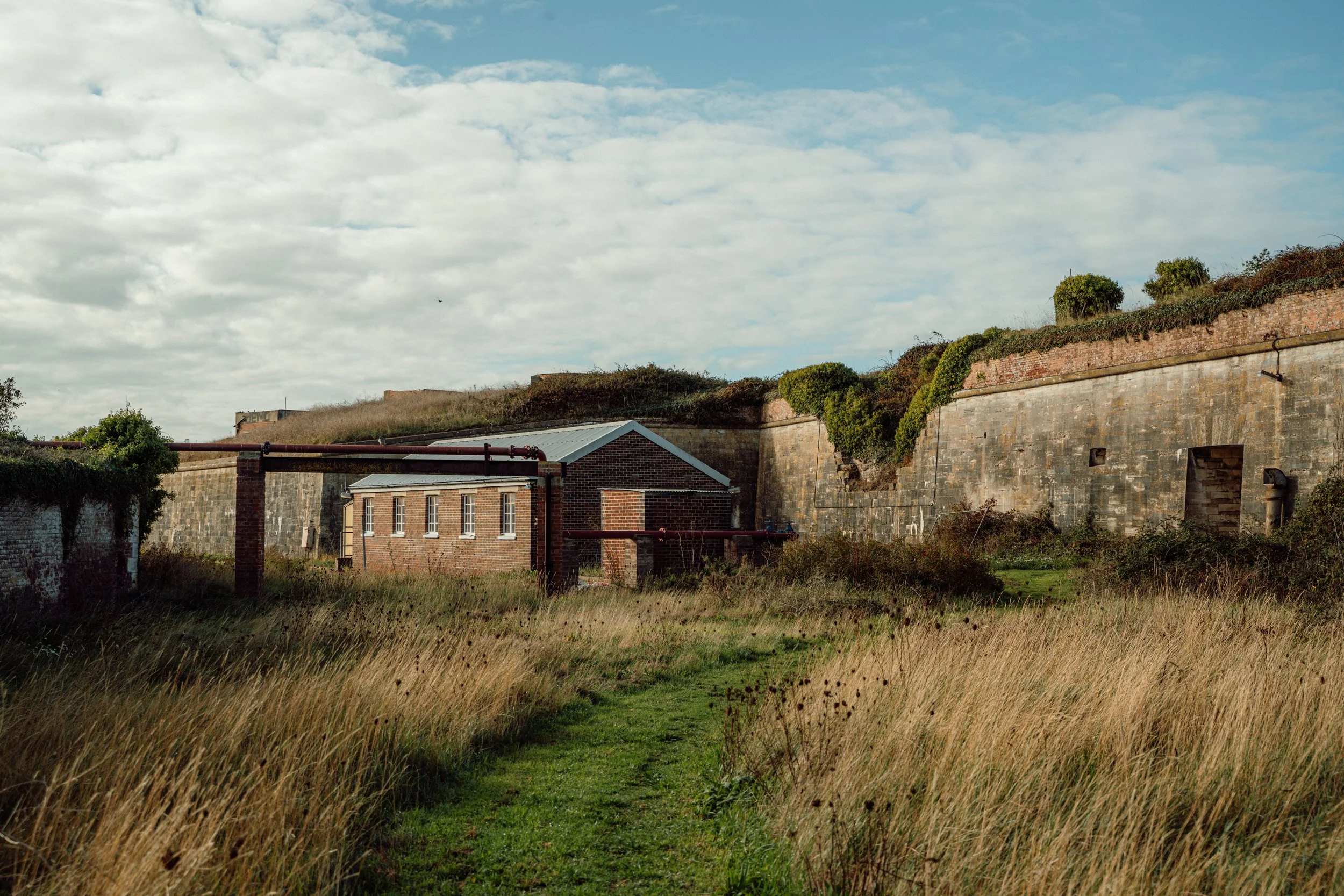
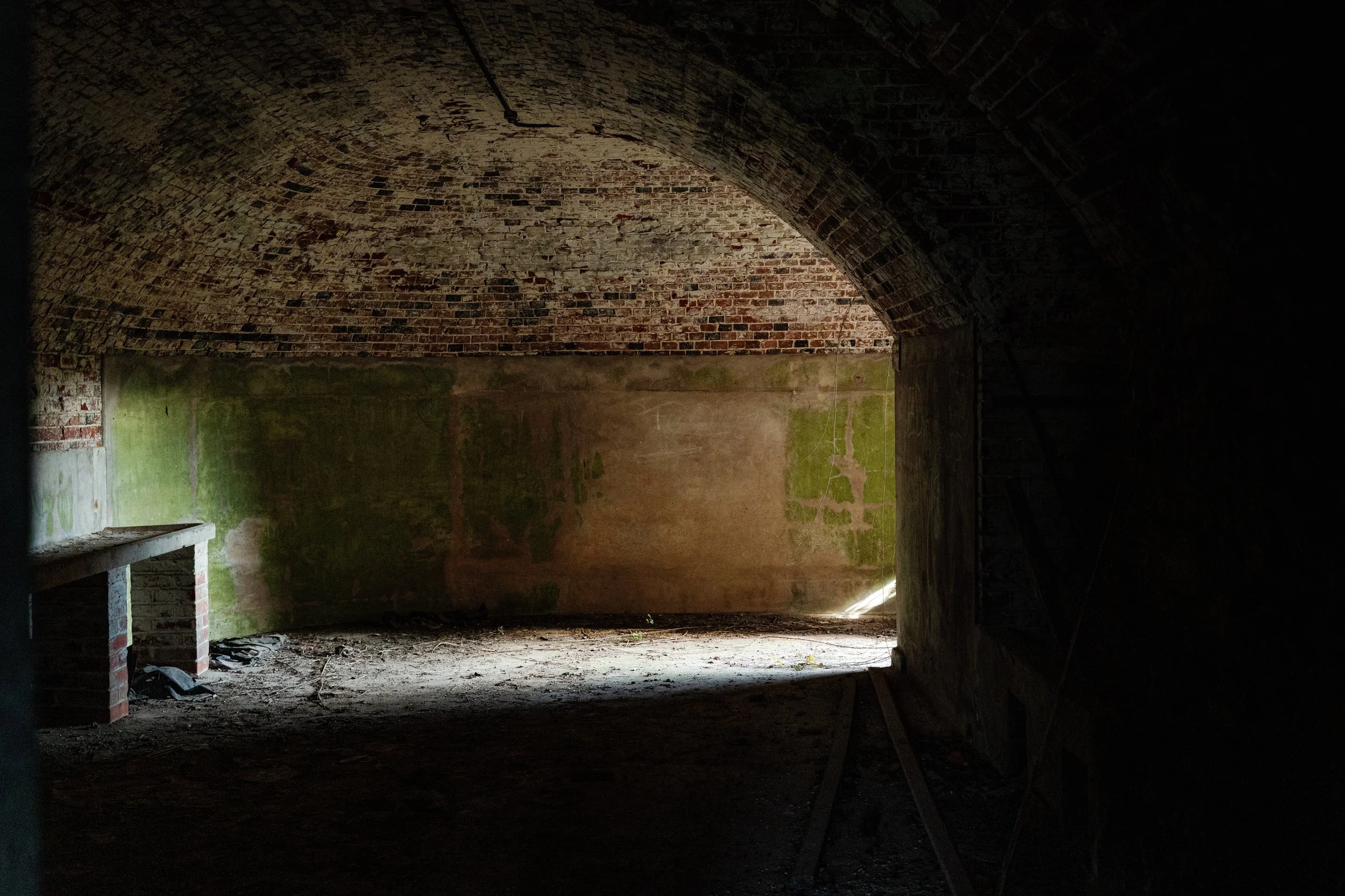
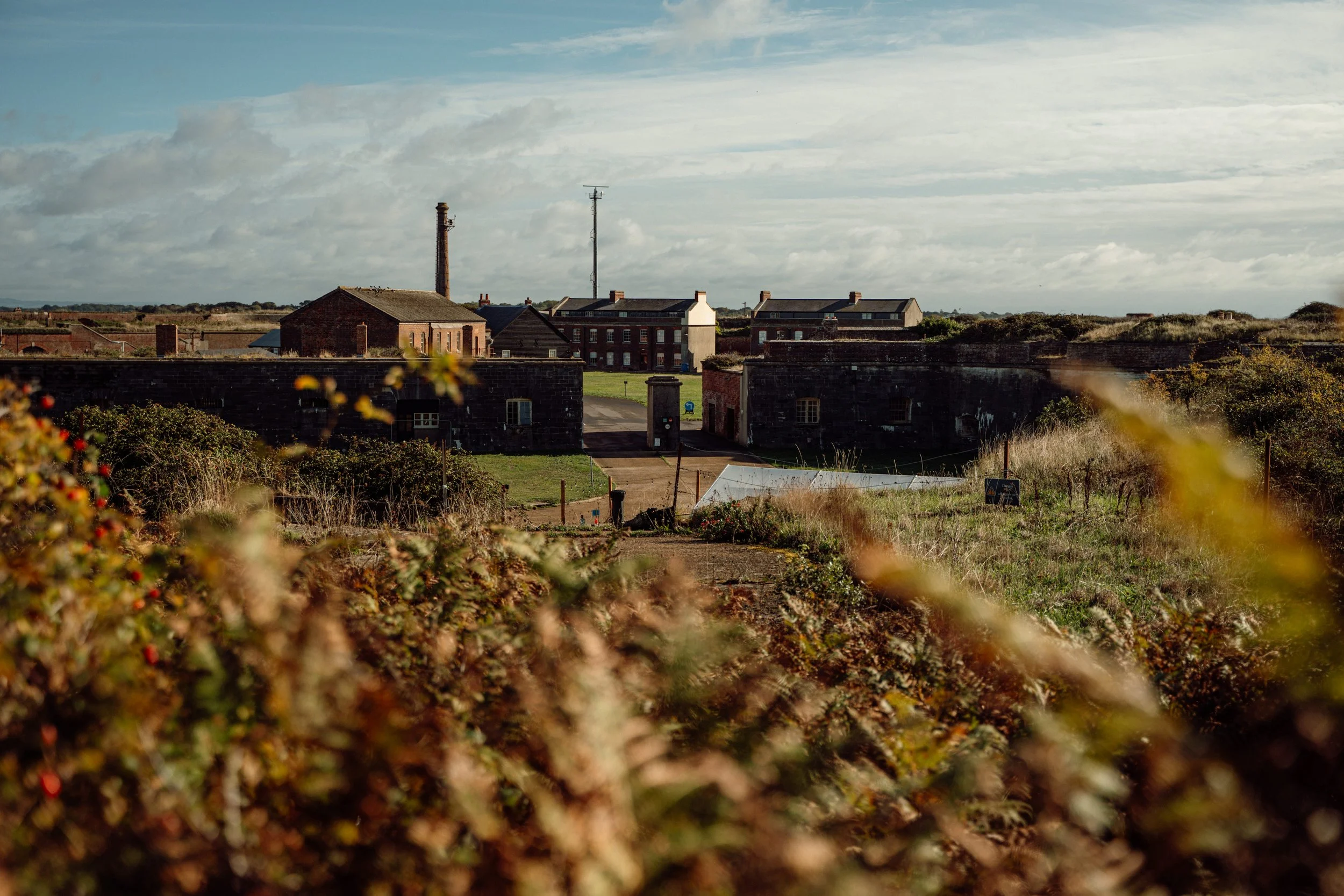
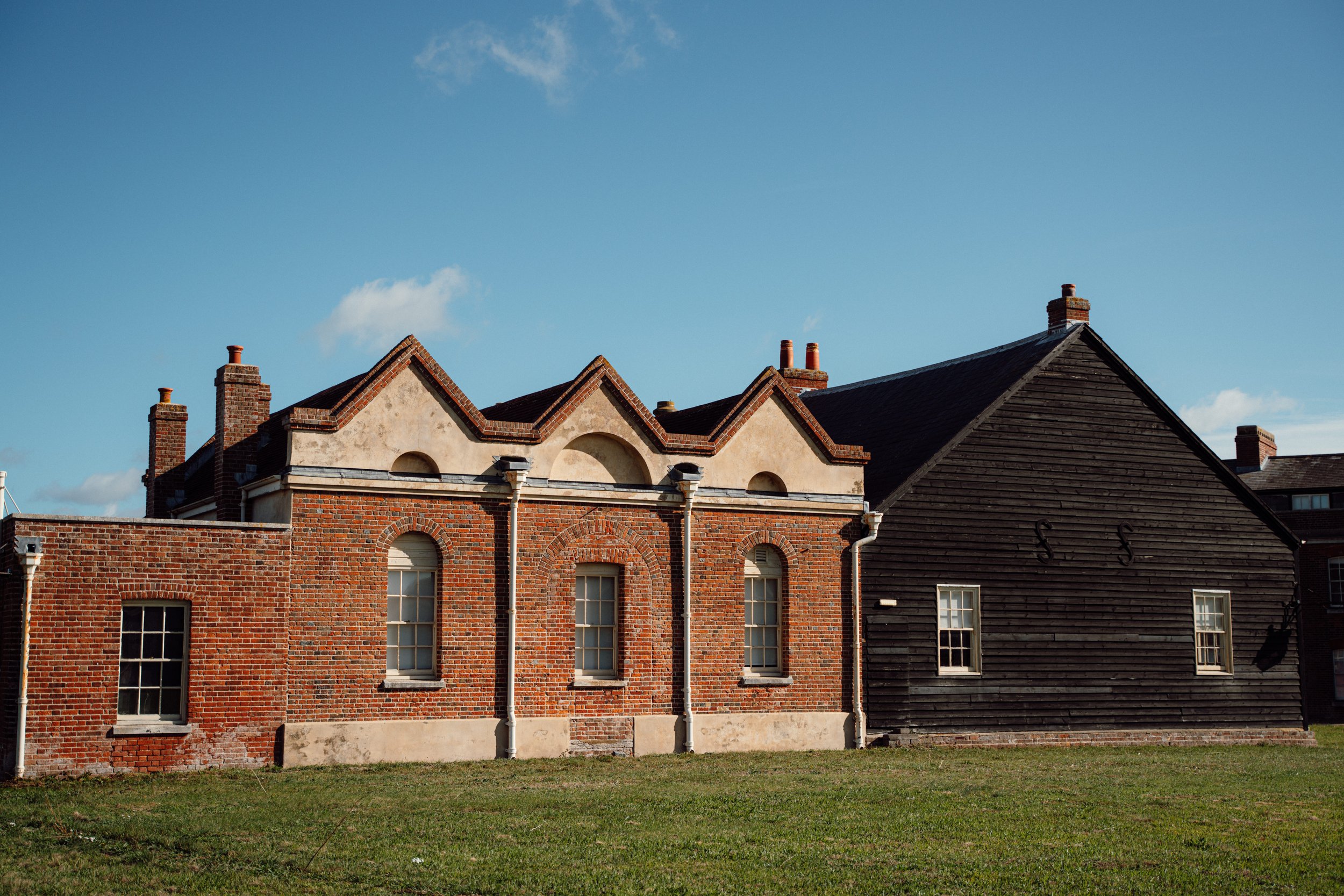
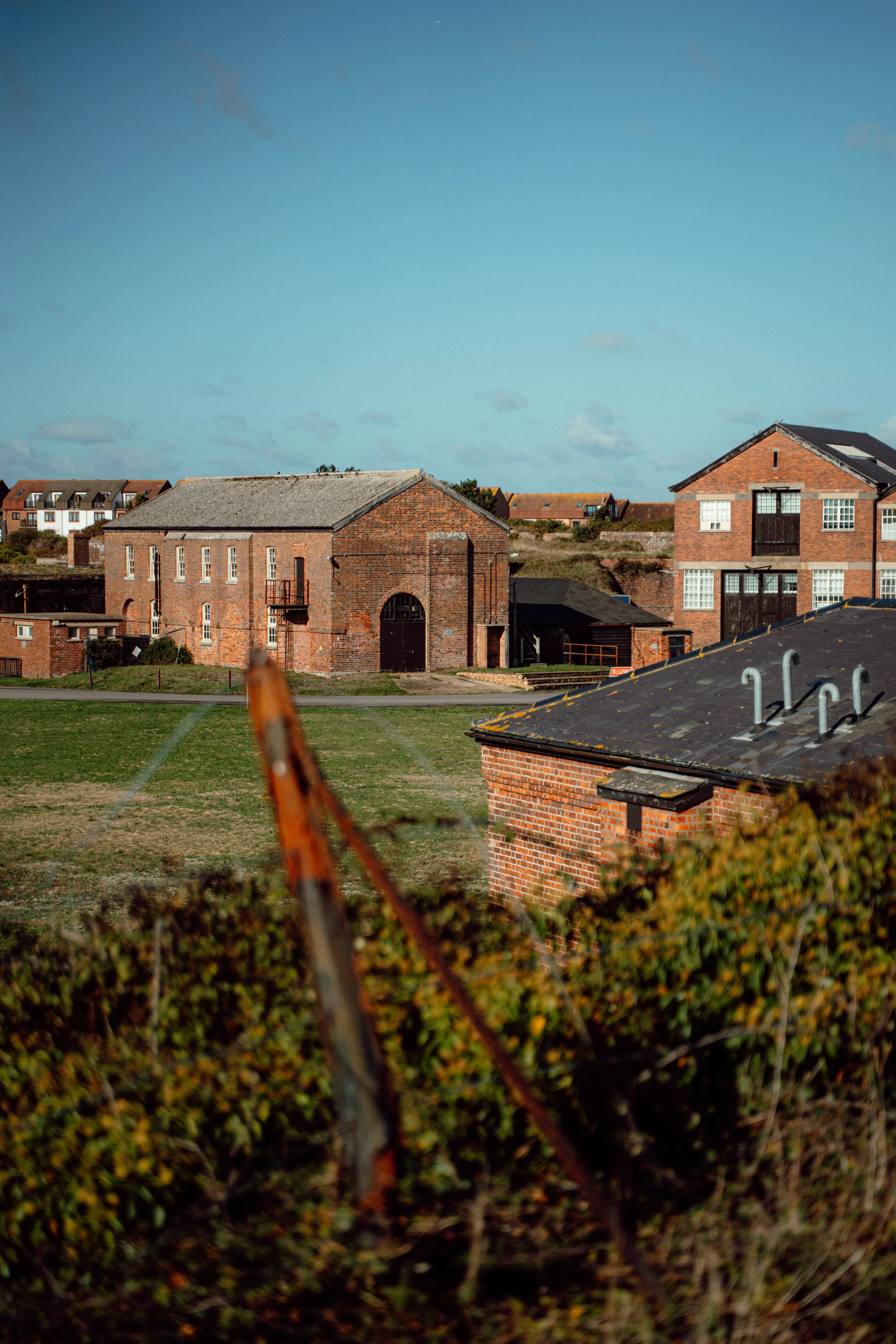
As the home of Historic England and the base for its archaeological operations, Fort Cumberland occupies a unique position within the nation's heritage estate. The site contains multiple designated heritage assets of the highest significance and serves not only as a monument to Britain's military past but as a working centre for the conservation and understanding of the historic environment. The management of such a complex and nationally important site demands an exceptional level of care, expertise and strategic vision.
Since 2022, Pritchard Architecture has been working closely with Historic England to deliver a programme of conservation, repair, adaptation and strategic planning projects across the estate. Over this period we have undertaken more than twenty individual commissions, each guided by a detailed understanding of the site's significance and underpinned by a commitment to best-practice conservation principles.
Our involvement has ranged from estate-wide strategic initiatives to highly focused fabric repairs. We have provided heritage advice to inform the development of a long-term masterplan for the site, helping to identify opportunities for sustainable occupation and future investment whilst ensuring that the significance of the Scheduled Monument remains central to decision making. We have also prepared a comprehensive Conservation Management Plan, establishing a robust framework through which change, repair and future development can be carefully assessed and managed.
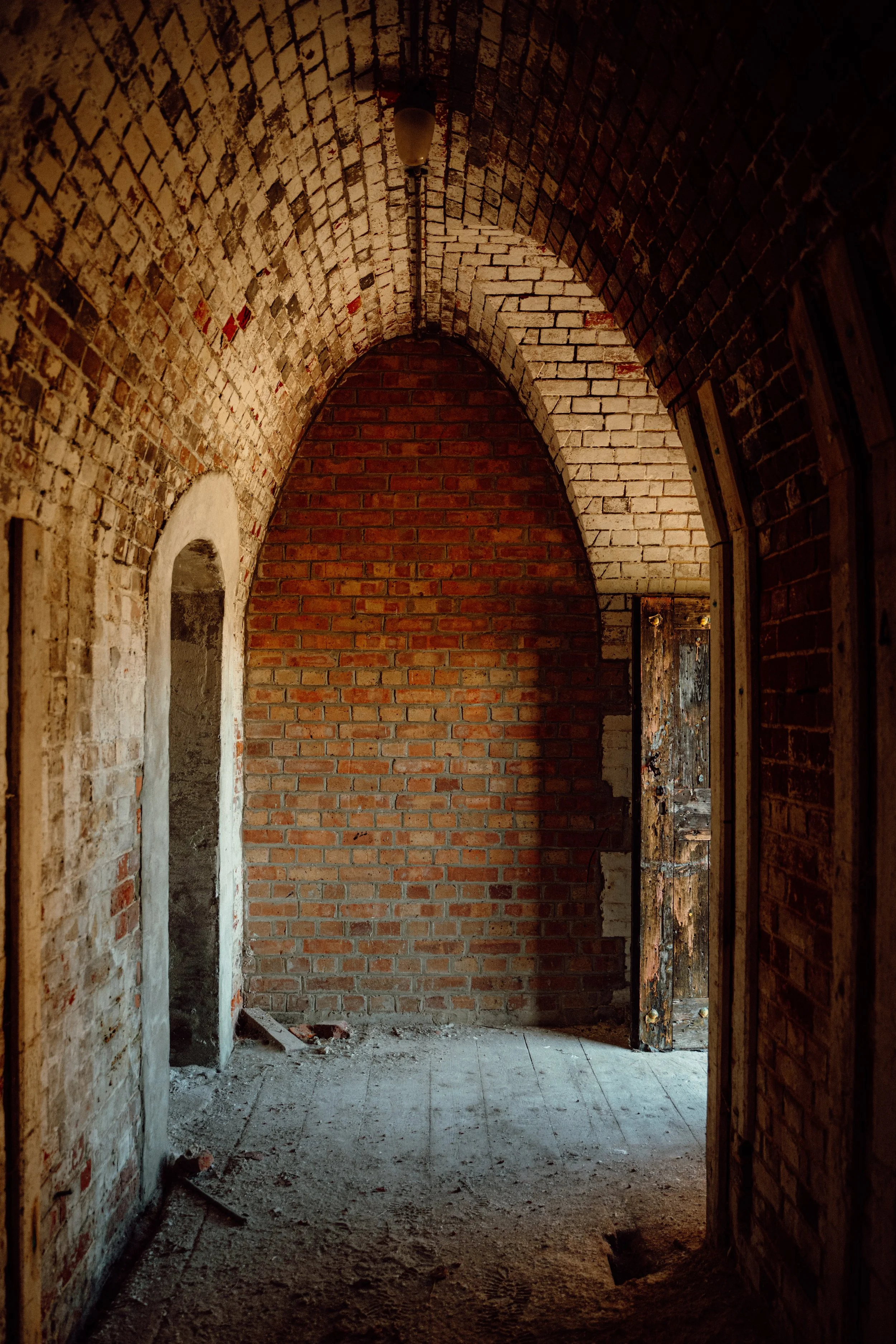
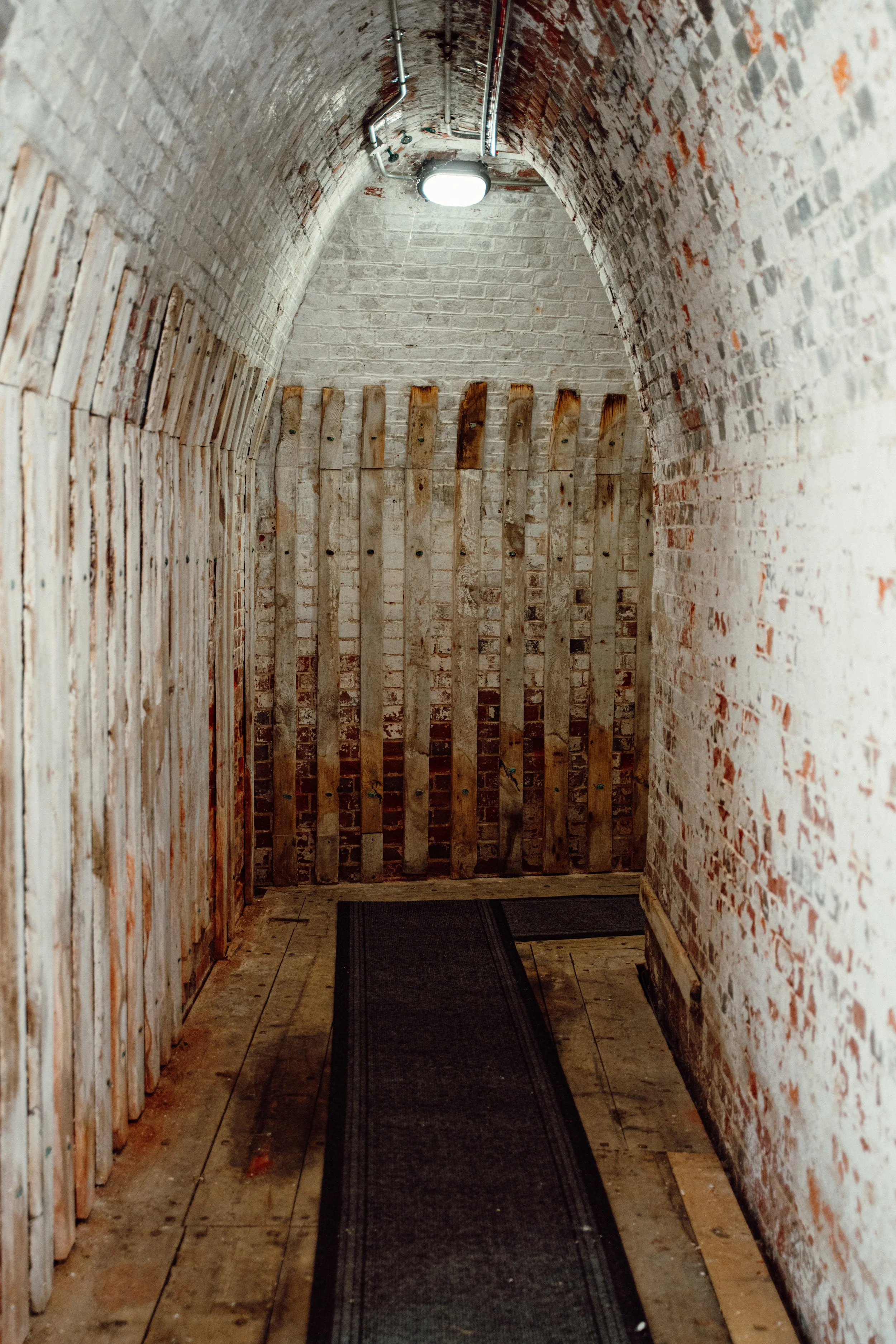
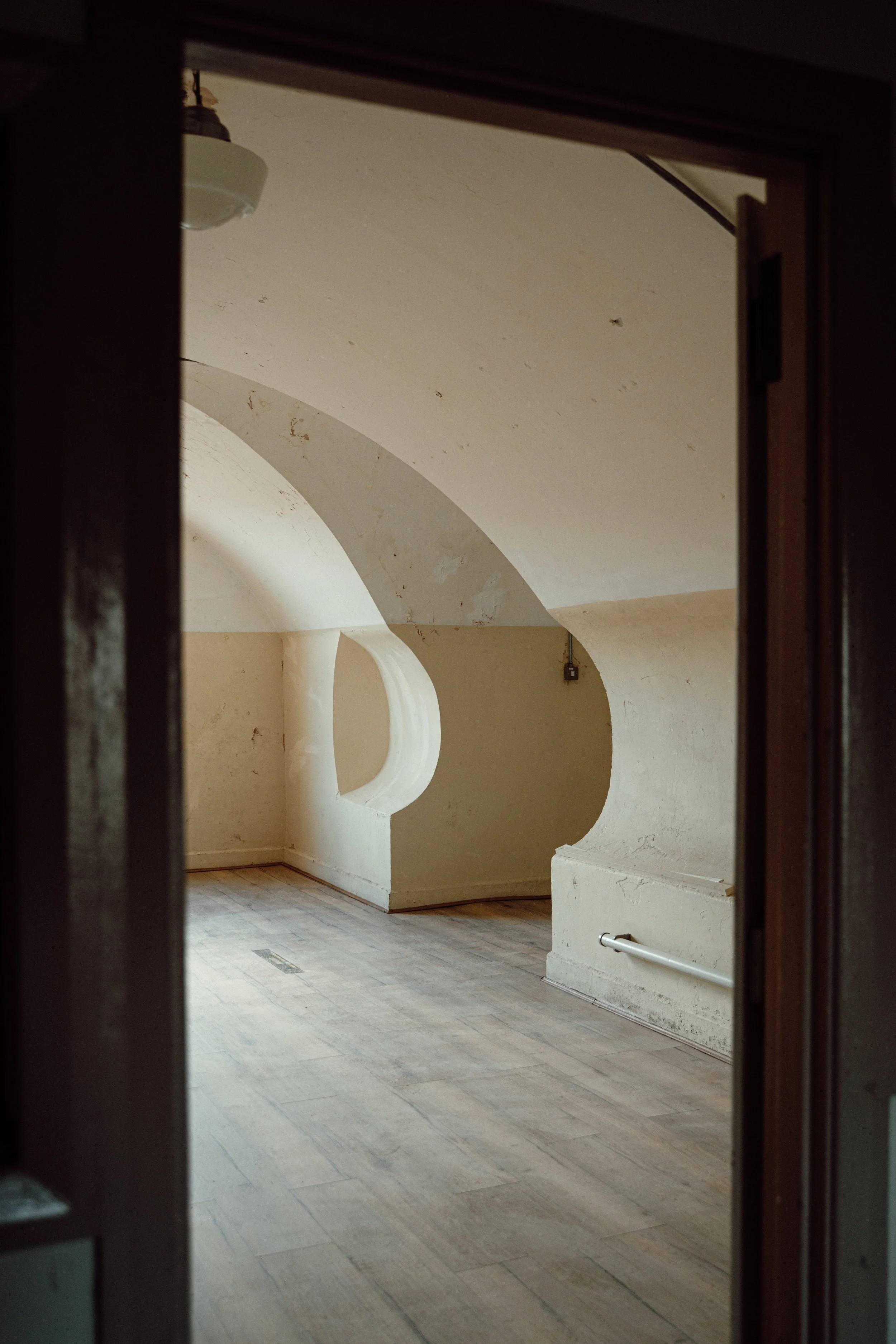
Alongside this strategic work, we have delivered a series of practical conservation projects aimed at sustaining the fort's continued use and long-term resilience. These have included bringing a number of historic casemates back into occupation, implementing site-wide infrastructure improvements to electrical and drainage systems, and undertaking extensive repairs to the former Motor Transport Building, now home to Historic England's Archaeology Department.
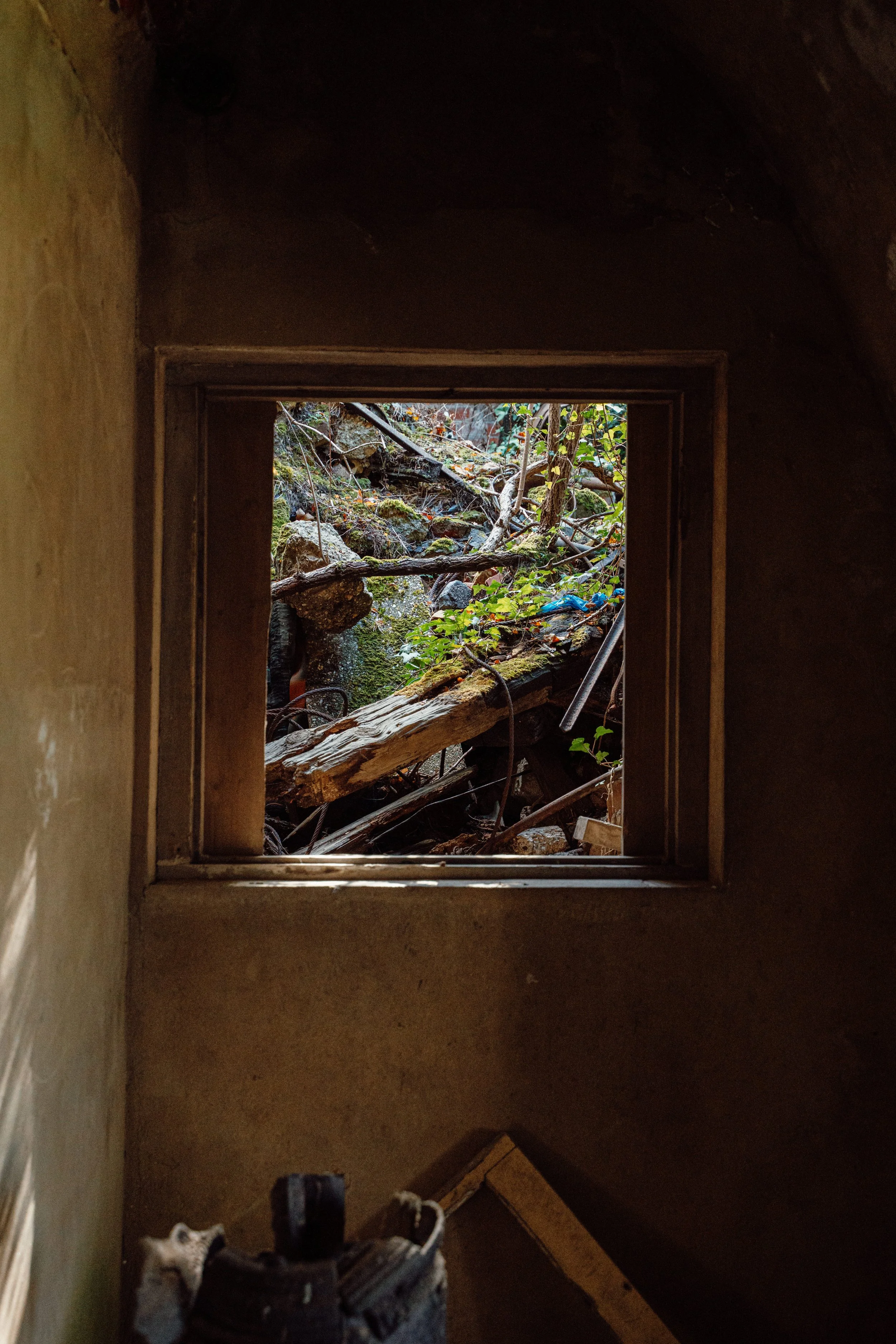
Particular attention has been given to the conservation of historic fabric. Projects such as the careful repair of a decayed timber floor within Magazine 31 have required a forensic understanding of traditional construction, balancing the retention of original material with the practical requirements of ongoing use. Across the site, every intervention has been informed by a conservation-led approach, ensuring that repairs are both technically rigorous and respectful of the fort's exceptional historic significance.
Working within an important heritage asset demands the highest standards of research, design and delivery. At Fort Cumberland, our role has been to help ensure that conservation is not simply the protection of historic fabric, but the careful stewardship of a living historic place. Through strategic planning, sensitive repair and informed adaptation, we continue to support Historic England in securing the future of this extraordinary monument for generations to come.
Credits
Photography: Tom Langford
“Through the intelligent, sympathetic re-imagination of the physical assets across the development site, Pritchard Architecture have unlocked the inherent value in Seven Sisters Country Park. The outcome has been a complete success and one which enables the client to accelerate in its pursuit of the Vision for the Country Park, to be an outstanding place for nature and people where we work with the landscape and communities to demonstrate how to adapt to climate change”
Mark Alden, Enterprise Development Lead, South Downs National Park Authority